


Más Información








A jaguar cub born in captivity at the Culiacán zoo in Northern Mexico was exhibited earlier this week and a call was soon issued to decide on its name. It is worth noting that jaguars are in danger of extinction.
Through Facebook , the Culiacán Zoo launched a call to name the newborn jaguar, offering an iPhone XS Max to the candidate who proposes the best name.
Zoo director Diego García Heredia
revealed that the five-week-old cub was born from a couple of felines called Sombra (Shadow) and Macario, who began a courtship one year ago.
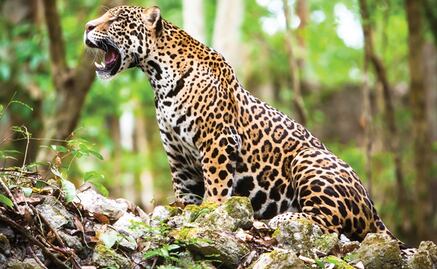
The director commented that jaguars are usually yellow or orange with multiple black spots on their backs and legs, however, the puppy was born with melanism, a development of the dark-colored pigment melanin in the skin.
García Heredia stated that the birth of this new jaguar was a step forward in the reproduction and preservation of the species in Mexico. He added that the jaguar was a symbol of Mexico and the largest feline in the American continent. Since it is an endangered species, its reproduction in captivity is a good step forward for its recovery.
The national jaguar census establishes that there was a total of 4,818 felines of this species in 2018, a number that has increased by 20% thanks to reproduction rates in both public and private zoos.
The director commented that the species is endangered due to urban expansion and indiscriminate hunting in their territory, despite the fact that there has been a ban on the hunting of jaguars since 1987 .
Moreover, jaguars living in the wild have a life expectancy of barely 10 years. However, those who are born and raised in zoos and research centers can live for more than 20 years.
During the exhibition of the cub, García Heredia commented that it was still at the nursing stage and is fed with a special formula for felines. Once the cub is one month old, it will start consuming solid food.
The jaguar cubs are fed with special croquettes, ground chicken, and calcium supplements. By the time they reach maturity, at the age of three, the felines weigh approximately 80 kilograms and is ready to reproduce.
dm

Noticias según tus intereses
[Publicidad]
[Publicidad]