


Más Información

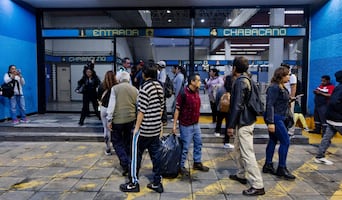
"I ask for your help because I come from one of the poorest communities in Puebla and have nothing to eat. Thank you very much and God bless you," reads a piece of paper distributed by children at the metropolitan subway system in exchange for a few coins.
Some of them beg accompanied by other children, while the older ones work on their own.
According to the latest figures from the Public Transportation System around 800 children work or beg at the metropolitan subway system. Half of them come from neighboring states, especially from Ecatepec, Chalco, Nezahualcóyotl and Chimalhuacán in the State of Mexico, and the rest live in Cuauhtémoc, Gustavo A. Madero, Iztapalapa and Iztacalco districts in Mexico City.
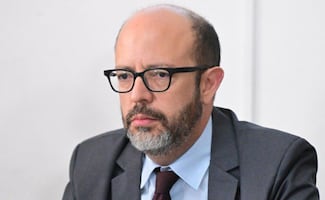
According to Jorge Gavino, director of the metropolitan subway system, children are exploited by adults because unlike adults, they can not be taken before the Public Prosecutor, neither a civil judge.
Some children say they finish working around 24:00 hrs. and meet with other children at Pantitlán station, where a woman takes their money and threatens them not to cheat her.

Noticias según tus intereses
[Publicidad]
[Publicidad]