


Más Información


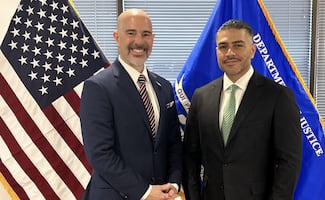


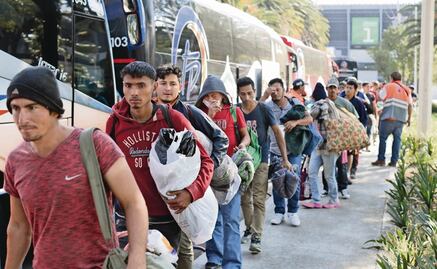
The United States is expanding its program to send asylum seekers back to Mexico to wait out their U.S. court proceedings and so far has returned 240 people since starting the program in January , U.S. officials told reporters last week.
The officials from the Department of Homeland Security (DHS) said the policy, which was rolled out at the San Ysidro port of entry in San Diego earlier this year, has been expanded to the Calexico port, which is also in Southern California on the U.S.-Mexico border .
In addition, migrants who attempt to cross illegally and then ask for asylum in the U.S. border patrol’s San Diego sector will now also be subject to return to Mexico, the officials said.
Mexico’s foreign ministry issued a statement confirming the program’s expansion to the Calexico port. Mexican officials have been in touch with U.S. immigration authorities about the migrants returning to Mexico, the ministry said.
One official said border authorities had only started turning back people who crossed between ports this past week. He said that “a very low number” of people who crossed illegally have been returned so far, while the vast majority of those who were sent back presented themselves at legal ports of entry to claim asylum.
The policy is the latest effort by the Trump administration to try to curb a sharp increase in the number of Central American families that are arriving at the border and claiming asylum.
Administration officials say even though many of the asylum claims are ultimately denied, applicants end up living in the United States for years while their court cases are processed.
But immigration advocates say that returning vulnerable migrants to dangerous border cities is illegal and violates U.S. obligations under international treaties. The American Civil Liberties Union and other groups sued in federal court to halt the program.
President Donald Trump, whose administration has worked to limit both legal and illegal immigration, said in an interview with the website Breitbart published on Tuesday last week that Mexican drug cartels should be considered terrorist organizations . He highlighted the danger of Mexican cities close to the U.S. border and said Mexico is “considered one of the most unsafe countries in the world.”
U.S. officials have previously argued that their policy of making asylum seekers wait in Mexico does not put them at any greater risk, and refer to the return policy as the “Migrant Protection Protocols.”
DHS officials said the U.S. government is working closely with Mexican authorities to clear the expansion plans. “We’re not going to open a location if the Mexicans aren’t ready and able to process and provide the humanitarian protections that they agreed to,” one official said.
But some Mexican officials have warned that the country’s border cities would struggle to look after asylum seekers for long periods of time.
DHS
said the return policy does not apply to Mexican citizens, unaccompanied minors or people with serious medical conditions or disabilities, but families with children are being returned.
dm

Noticias según tus intereses
[Publicidad]
[Publicidad]