


[Publicidad]


Soaring global demand for natural beauty products could be fuelling modern-day slavery as ingredients such as cacao , vanilla , and the mineral mica are linked to child labor while cosmetic supply chains lack oversight.
Many key components—from shea nuts to wax used as a base for mascara—are produced by smallholder farmers where the risk of labor abuse is high as governments and businesses struggle to monitor conditions, said risk analysts Verisk Maplecroft .
Cosmetics companies are benefiting from strong appetite for skincare products , after riding a make-up boom in recent years spurred by young consumers seeking to look good on social media .
While buyers clamor for make-up made with various fruit , nuts , grains , and minerals , companies that increase the number of natural ingredients in their cosmetics could be opening a “ Pandora’s box of risk ,” according to Britain-based Maplecroft.
“The cosmetic supply chain is extremely complex and loosely regulated,” Donna Westerman , head of consumer goods at Maplecroft .
“A cosmetic or lotion may have anywhere from 50 to 100 ingredients sourced from multiple countries all over the world and tracing materials to their origin is a daunting task.”
[Publicidad]
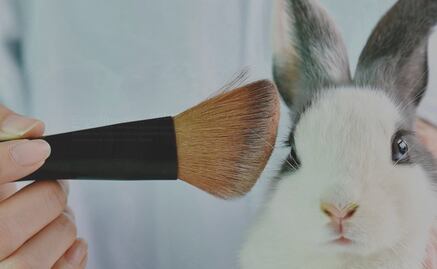
Mica
, a prized mineral that puts the sparkle in make-up, has been tarnished by its connection with child and forced labor in India , yet it is still widely used by cosmetics manufacturers, Maplecroft said in a risk analysis report focusing on cosmetics.
In August 2016 , a Thomson Reuters Foundation investigation titled " Blood Mica: Deaths of child workers in India's mica 'ghost' mines covered up to keep industry alive " found several children in India had died in illegal mica mines —but that their deaths were covered up.
[Publicidad]
The discovery that seven children had died in two months alone prompted pledges by multinationals sourcing mica from India to clean up their supply chains, and state authorities vowed to accelerate plans to legalize and regulate the sector.
Maplecroft said governments rarely have the resources to monitor or regulate working conditions on small-scale farms while firms struggle to keep track of their large supply chains.
“ The cosmetics industry carries high risks of modern slavery and child labor ,” said Cindy Berman , head of modern slavery strategy at the Ethical Trading Initiative ( ETI ), an alliance of trade unions, companies and charities promoting workers’ rights.
[Publicidad]
“Many raw materials are sourced from very poor and conflict-affected countries, where labor laws are not enforced, and access to decent jobs, schools, and public services are extremely limited for the majority of people struggling to survive.”
From everyday groceries such as tea and rice to clothes and make-up produced for high-street shops, major brands face rising consumer pressure to improve safety and conditions along their supply chains, render them slavery-free, and ensure fair wages.
sg
[Publicidad]

[Publicidad]
Más información
Economía
"¡Con mi vicio no!", Coca-Cola aumenta precios de sus productos; refrescos subirán hasta 5 pesos desde este 4 de agosto

Mundo
Capital One cierra cuentas de la Organización Trump; banco alega riesgo de lavado de dinero y Trump denuncia discriminación política
Estados
Aseguran más de 8 mil dosis de narcóticos en Baja California Sur; detienen a cuatro personas
Metrópoli
PRD CDMX alista nueva ruta política rumbo a elecciones de 2027; recorrerá 16 alcaldías para escuchar propuestas