


Más Información

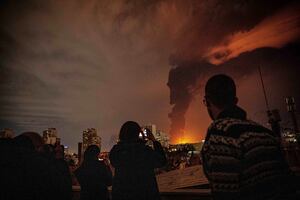




Around 8 thousand people, including members of the National Human Rights Commission and some of Mexico ’s most illustrious public officials, took to the streets of the heart of Mexico City on Friday to demand gender equality, as millions around the world marked International Women's Day .
The group started their protest at 16:00 hours near the Angel of Independence on Reforma Avenue and ended the rally in the city’s main square ( Zócalo ).
The atmosphere among the demonstrators, who marched around the iconic Paseo de la Reforma to the central Zocalo plaza and the seat of the government, the National Palace, was tense following recent anti-abortion comments by two Supreme Court candidates , in a country where 10 women die every day.
Women often carry out protests and demonstrations throughout Mexico to demand protection from government authorities since femicide has become one of the nation’s most pressing issues.
Where it all began
The first signs of the problem started in 1990 , when almost 500 women were murdered in Ciudad Juárez , near the U.S.-Mexico border. The victims were underprivileged women between 15 and 30 years old and their bodies were abandoned in the desert. The majority of the cases weren't punished.
Since then, authorities have implemented a series of actions that have proven ineffective. In 2012 , femicide was included in the criminal code , understood as the murder of a woman because of her gender, punishable by 40-60 years in jail .
The Mexican government also implemented Gender Violence Alerts , an official mechanism meant to protect women.
Civil organizations have repeatedly requested state governments to issue gender alerts, though they often oppose the measure since it would imply admitting that the problem has worsened as a result of inaction or incompetence.

dm

Noticias según tus intereses
[Publicidad]
[Publicidad]