




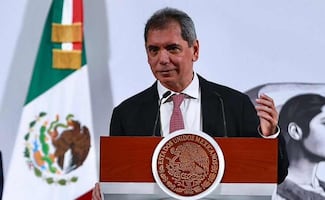





Mexico has nearly completed its oil price hedge for 2017 which it began in mid-June, the country's Finance Minister Luis Videgaray said on Tuesday.
"We have advanced in an important way, we still haven't finished the process but the vast majority of the options, that is to say the hedge, have already been acquired," Videgaray said at an event in the northern city of Monterrey.
Videgaray did not offer any details about the cost of the program or quantity of oil hedged.
For more than a decade, Mexico's government has paid for a hedge every year in a bid to guarantee oil revenues in what is considered the biggest sovereign oil derivatives trade in the world.
The government relies heavily on oil revenue to fund the federal budget, and its finances have been pummeled by falling international crude prices.
In December, Mexico said it received a record US$6.284 billion from its oil hedge program to help the government offset a drop in income from crude sales by state-run Pemex.
Last year, Mexico purchased put options that locked in an average price of $76.40 per barrel, while Mexico's crude mix averaged just above US$43 per barrel in 2015.
Despite a recent pick-up in oil prices, crude is currently trading under US$50 a barrel.

Noticias según tus intereses
[Publicidad]
[Publicidad]