


Más Información








Many villains in the history of Mexico have been etched into the minds of its citizens. One of them is Gustavo Díaz Ordaz .
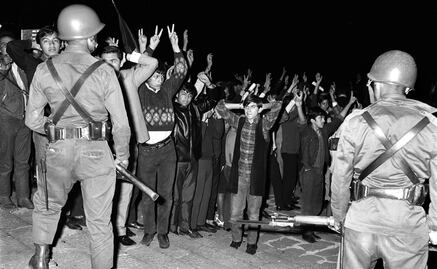
Years after the ruling of former President Díaz Ordaz , Mexican prosecutors have discovered that a large number of illegal detentions, abuse, torture, persecutions, enforced disappearances, made up charges, and homicides were committed to suppress the student movement of 1968 during his administration.
Half a century after the fateful events, Amazon Prime Video and Televisa have presented a TV show called “Un extraño enemigo” (A Strange Enemy) , which delves in the motives that led the ex-President and his close associates to perpetrate the violent massacre of Tlatelolco .
Although the creative team and cast have claimed that the eight-chapter series does not aim to be a faithful depiction of the tragic events, it will constitute a reliable and well-documented portrait of the political context of 1968.
In the opinion of Irene Azuela , the series protagonist, it is important that the events surrounding the student movement are not forgotten even 50 years later , because the problem of political repression still has a strong impact in Mexico today.
“The important part of commemorating this event is that we foster debate and consideration among our viewers. Just as there are families that mourn the massacre of 1968, it has now been four years since the disappearance of 43 students from the Ayotzinapa Rural Teachers’ College and we need to keep fighting for justice,” she claimed.
“I think it’s important to talk about what Mexico was like in 1968 so that we can compare it with the one we have today. This way, people can draw their own conclusions to determine whether or not we have made progress as a society and as a country,” stated Azuela.
dm

Noticias según tus intereses
[Publicidad]
[Publicidad]