


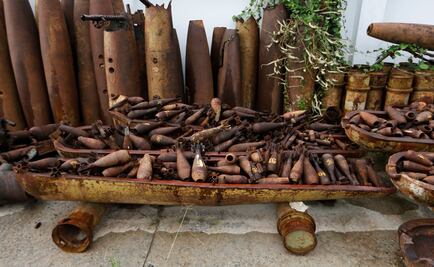
More than 40 years after the end of the United States military intervention in Southeast Asia, millions of unexploded bombs and other projectiles remain hidden in dense jungles, submerged in river banks, and buried in fertile soil
More than 40 years after the end of the United States military intervention in Southeast Asia, millions of unexploded bombs and other projectiles remain hidden in dense jungles, submerged in river banks, and buried in fertile soil

Often described by the Western media as an authoritarian leader and the most vocal critic of the European Union, Viktor Mihály Orbán will head Hungary’s government four more years
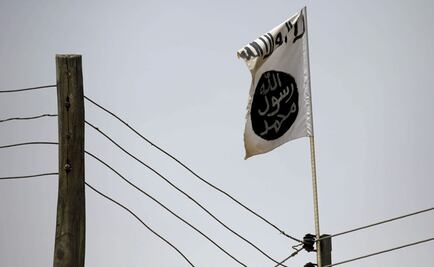
Weakened by internal strife and the allied military intervention against its forces, Boko Haram still represents a grave threat to the stability of Nigeria and its regional neighbors
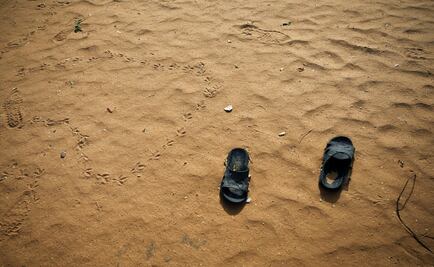
Far from the current flashpoints in international news since the 276 Chibok girls were kidnapped by Boko Haram four years ago, the nightmare of civilian abductions in Nigeria continues unabated
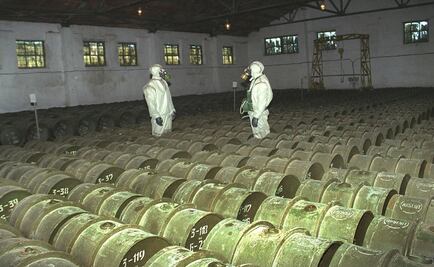
History has known the serious threat of chemical weapons since classical times when the Athenian army tainted the water supply of the besieged city of Kirrha
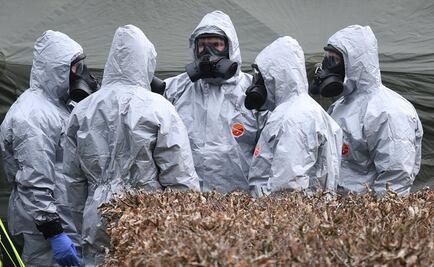
For many observers in both sides, the crisis and its increasing tensions confirm that the world is living a second Cold War of sorts of unpredictable consequences

The resignation of Peruvian President Pedro Pablo Kuczynski last week is an untimely and negative event for Mexico, which loses a trusted and important partner
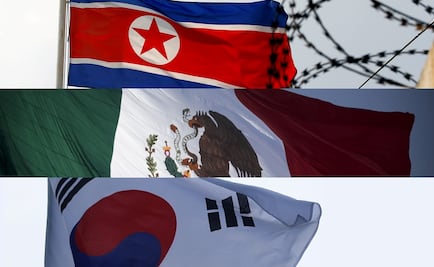
Mexico has strengthened its bilateral relationship with the Republic of Korea (South) in the last years and it is a firm supporter of the total elimination of nuclear weapons in the restive northern Asian peninsula
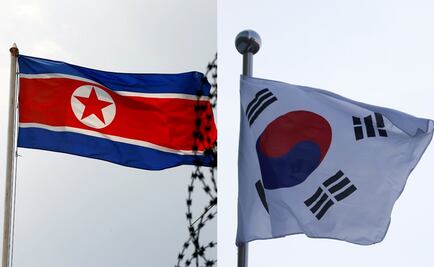
The current tensions between North Korea and the United States—and the possible summit this year of their respective leaders—have renewed the interest on the Korean War of 1950-1953
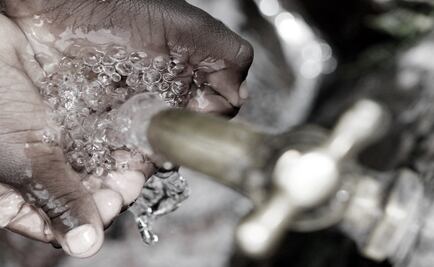
Despite importing as much as 40% of its water from distant sources, Mexico City has no large-scale operation for recycling wastewater