


Más Información
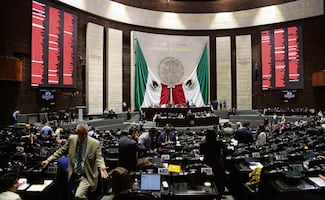


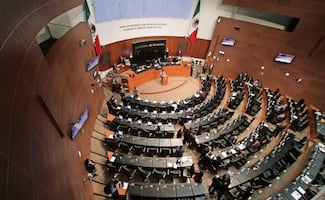




The legalization of euthanasia in Mexico City is “immoral” and reaffirms the federal entity's reputation as a “murder city,” said Mexico's archdiocese.
In an article published in an archdiocese newsletter, the religious organization expressed their position on the controversial topic, which it called a “crime,” since life is a “gift from God that only he can take away,” and added that all government institutions must do everything possible to protect everyone's lives.
“No person, institution or government should ever believe they have the right to take someone's life. The fact that Mexico City's government turned a crime into a right is inconceivable and immoral,” said the article.
With some hesitation and complaints from Mexico's rightest parties, the amendment to Article 11 of Mexico City's constitution was passed and establishes that “all persons shall have the right to make his or her own decisions and be free to develop a personality.”
The amendment to Article 11 goes on to state that “this fundamental right ensures that all persons can fully exercise their right to live with dignity. A dignified life implicitly includes one's right to a dignified death.”
Mexico's Archdiocese said that the Catholic Church asks for a person to be kept alive at all costs. “If science says that a person is alive and that person is no longer given the helpf he or she needs to continue to live, that is the equivalent to murder, regardless if one disguises it as 'that person wasn't murdered, he or she was just left to die on his or her own.'”
The article said that legislators' attitudes towards pain and suffering influenced their decision on whether to conserve or take someone's life, because “it reflects an ideology of a society that only values comfort and pleasure. A society in which pain and suffering don't seem to belong.”
“Many people believe that life has no purpose when there's pain and suffering. However, how do you measure pain? How much can one even take? What hurts more: physical or moral pain? This is why the Holy Scripture and the church teach its followers that pain and suffering are a part of one's life and that it can even have a redemptive meaning,” concluded the article.

Noticias según tus intereses
[Publicidad]
[Publicidad]