








The armed, masked gang members showed up on a motorcycle at the home in northern Honduras last fall with a stark warning for the occupants: Leave town within 24 hours, or else.
Laura Maria Cruz Martinez
, another single mother and the nine kids in their care hurriedly threw clothing and personal items into bags and made for the border before dawn.
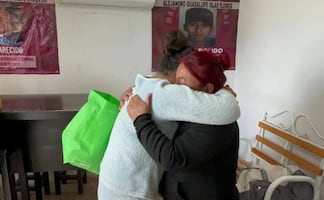
Nine months later they're together again in two adjacent apartments in a working-class neighborhood of eastern Mexico City .
All eleven were recognized as refugees by Mexico in March and granted asylum, making them part of a growing wave of refugees from Honduras, El Salvador and Guatemala who are resettling here instead of trying to reach the United States , which many see as increasingly hostile .
The rise in refugee resettlement in Mexico has paralleled a decrease in immigration to the United States, with apprehensions by US Border Patrol down sharply at the frontier.
"I do think there are fewer people deciding to focus their sights on the United States precisely because it has projected itself as being an unwelcoming country ," said Maureen Meyer , a senior associate for Mexico at the Washington Office on Latin America , a human rights-focused organization.
After Mexico received 3.424 applications for refugee status in 2015, that rose to 8.794 the following year and applications are already outpacing that this year with 5.464 just from January to May.
Nearly all are people from the so-called Northern Triangle countries of Central America , where street gangs are largely free to terrorize the population and murder rates are some of the world's highest outside of open war zones.
Even as it has cracked down on illegal migration along its southern border, Mexico has come under pressure to welcome more refugees. Both the United Nations and Mexican officials attribute the increase in asylum applications to government and NGO efforts to make potential refugees aware of their rights.
Increasingly, word has made it back to Central America that it's easier to resettle in Mexico.
"If you look at Mexico's definition of who can qualify for asylum, it's much broader than the United States," Meyer said.
Last year Mexico granted refugee status to one of every three applicants from the Northern Triangle, according to government data. Several hundred more were allowed to stay without being recognized as refugees.
In the United States, by contrast, people from those nations have among the highest asylum denial rates.
mr

Noticias según tus intereses
[Publicidad]
[Publicidad]