


Más Información








The archaeological site of Monte Albán , a UNESCO World Heritage Site, will receive USD$ 1 million by the World Monuments Fund (WMF) to repair the damages caused by the September earthquake to 15 of its structures.
The WMF, a private and international institution, is dedicated to the preservation of archaeological and world heritage sites and announced on May 9th that their donation will add to the conservation and restoration efforts of one of the most important archeological sites in Oaxaca .
Due to the damages caused by the September earthquake, the site was included in the 2018 World Monuments Watch list, an initiative which aims to draw international attention to world heritage sites endangered by natural disasters.
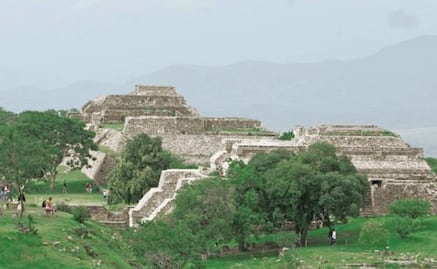
“Fifteen structures within Monte Albán and the northern section of Atzompa were affected by a devastating earthquake, with five showing severe damage that required emergency structural shoring to prevent collapse,” stated the WMF.
Lisa Ackerman, Executive Vice President and Chief Operating officer of WMF, said during an interview with EL UNIVERSAL, that the restoration project is scheduled to begin in July.
As a World Heritage Site , Monte Albán is proof of the “great achievements of the Zapotec culture” and an important tourist attraction, which contributes to the local economy, added Ackerman.
The project will be done in partnership with the National Institute of Anthropology and History (INAH) and students of the last semester of Architecture and Engineering will be involved in the project.
Pedro Francisco Sánchez Nava, National Coordinator of the INAH, acknowledged Monte Albán was one of the archeological sites most severely damaged by the earthquake.
am

Noticias según tus intereses
[Publicidad]
[Publicidad]